

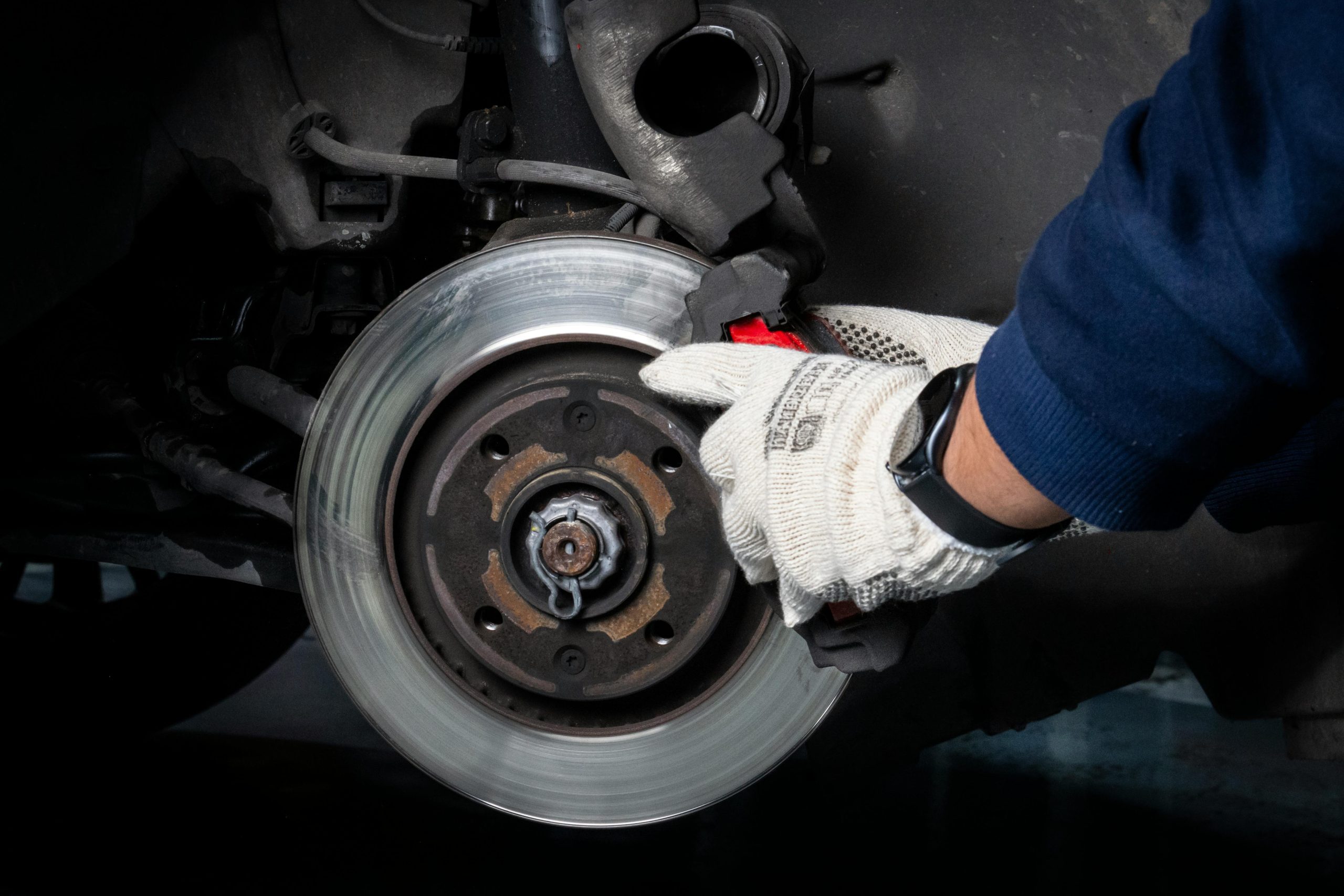
In the routine of car ownership, certain responsibilities tend to fade into the background. Oil changes are scheduled, tires are checked, and warning lights catch our attention, but brake replacement is often delayed until a problem becomes obvious. This oversight can be costly and dangerous. Brakes are not designed to last forever, and forgetting to replace them on time can affect far more than just your stopping ability.
Brakes Are Designed to Wear Out for a Reason
Brake components are intentionally made to wear down. Brake pads and shoes absorb friction so that more expensive parts of the system are protected. This gradual wear is normal, but it also means replacement is inevitable. Unlike some vehicle parts that may last the lifetime of the car, brakes are consumable components that must be renewed to maintain proper function.
When worn brakes are not replaced, the system begins to rely on parts that were never meant to handle direct friction. This accelerates damage and reduces overall braking efficiency. Remembering brake replacement is about respecting how the system was engineered to work.
Delayed Replacement Compromises Reaction Time
Modern driving environments demand fast, reliable responses. Traffic conditions change quickly, and drivers often need to stop with little warning. Worn brakes reduce responsiveness, meaning the car may take longer to slow down or require more pressure on the pedal.
Even a small delay in braking response can increase stopping distance significantly. Over time, drivers may subconsciously adjust their habits to compensate, braking earlier or driving more cautiously. These adjustments may mask the problem temporarily, but they do not eliminate the underlying risk of worn components.
Noise and Vibration Are Late Warnings
Many people wait for loud squealing, grinding, or shaking before considering brake replacement. These sounds are not early alerts; they are signs that the brakes have already passed their optimal condition. At this stage, damage may extend beyond the pads to the rotors or calipers.
Replacing brakes before these symptoms appear helps preserve the entire system. Quiet, smooth braking is a sign of healthy components working together. When noise becomes noticeable, it often means replacement should have happened much earlier.
Brake Replacement Protects Vehicle Balance
Braking is not just about stopping; it is about stability. Unevenly worn or weakened brakes can cause a vehicle to pull to one side or feel unsteady during deceleration. This imbalance affects steering control and tire wear, particularly during sudden stops or turns.
Timely brake replacement restores balance to the system. Equal braking force across all wheels helps the car remain stable, predictable, and easier to control. This stability becomes especially important during wet weather or emergency maneuvers.
Ignoring Replacement Can Multiply Repair Costs
Postponing brake replacement often leads to more expensive repairs. Worn pads can damage rotors, which then require resurfacing or replacement. Heat buildup from excessive friction can also affect calipers and brake fluid, increasing the scope of needed repairs.
Replacing brakes at the appropriate time is usually far less costly than repairing a neglected system. It is an example of how proactive maintenance saves money in the long run, even if the immediate cost feels inconvenient.
Brakes Influence Driver Confidence
A car that responds instantly to braking commands inspires trust. When brakes feel soft, unresponsive, or inconsistent, drivers may feel uneasy without fully realizing why. This lack of confidence can increase stress and reduce focus on the road.
Replacing worn brakes restores a sense of control. A firm, responsive brake pedal reassures the driver that the vehicle will behave as expected. This confidence enhances overall driving comfort and promotes safer decision-making behind the wheel.
Safety Systems Rely on Healthy Brakes
Modern vehicles are equipped with advanced safety features such as anti-lock braking systems and electronic stability control. These technologies depend on properly functioning brake components to operate correctly. Worn brakes can limit the effectiveness of these systems or cause them to behave unpredictably.
Regular brake replacement ensures that these safety features perform as designed. Maintaining the foundation of the braking system allows advanced technology to support the driver rather than compensate for mechanical shortcomings.
Conclusion
Brake replacement is not a task to postpone or overlook. It is a fundamental part of vehicle care that protects safety, preserves performance, and prevents costly repairs. By remembering to replace brakes at the right time, drivers maintain control, confidence, and peace of mind on every journey. Staying proactive about brake replacement ensures that when it matters most, your car will stop exactly as it should.
