

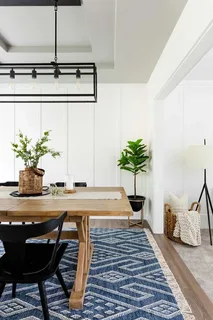
Your dining room sees it all. It hosts messy family breakfasts, chaotic dinner parties, and perhaps the occasional homework session. It is the heart of the home, but that high traffic takes a toll on your floor. A rug anchors the space and adds warmth, but choosing the wrong one leads to regret.
Imagine buying a beautiful, delicate silk rug only to watch a glass of red wine shatter on it a week later. That is a nightmare scenario. Because dining rooms endure sliding chairs, dropped food, and heavy foot traffic, the material you choose matters more than the pattern or color.
This guide breaks down the best materials for Dining Room Rugs that face daily wear and tear. We will look at what fibers resist stains, which ones hold their shape, and how to find a piece that balances style with survival.
Factors to Consider Before You Buy
Before you fall in love with a design, you must look at the practical side of things. A dining room rug needs to be a workhorse. Keep these four factors in mind as you shop.
Durability
Chairs slide back and forth every time someone sits down. People walk through the room constantly. You need a material that bounces back. If the fiber crushes easily, you will see permanent indentations from furniture legs and traffic paths within months.
Cleanability
Food drops. Drinks spill. It is not a matter of if, but when. The best dining room rug allows you to blot away a stain without panic. If the material absorbs liquids instantly or requires professional cleaning for every minor spot, it is not suitable for daily dining use.
Style and Texture
Flatweave or low-pile rugs work best here. Deep, fluffy pile traps crumbs and makes sliding chairs difficult. You want a surface that allows furniture to move smoothly while still adding that layer of design to your room.
Cost
Budget plays a huge role. If you have young children or pets, you might want a more affordable, replaceable option. If you want a heirloom piece that lasts for decades, you will likely spend more upfront for higher quality materials.
Top Material Choices for Dining Room Rugs
Not all fibers are equal. Here is how the most popular rug materials stack up against the demands of a dining room.
Wool
Wool is the gold standard for a reason. It is naturally resilient. The fibers act like little springs, bouncing back after compression, which makes it excellent for handling heavy dining tables and chairs.
- Pros: Wool contains natural lanolin that repels moisture and stains. It feels soft underfoot and looks high-end. It cleans surprisingly well and lasts for years.
- Cons: It costs more than synthetic options. New wool rugs may shed for a few months.
Nylon
If you want durability on a budget, nylon is a strong contender. It is a synthetic fiber engineered to resist wear and tear.
- Pros: It is incredibly tough and resists abrasion. Manufacturers often treat nylon to be stain-resistant. It offers bright, vibrant colors and fits tighter budgets.
- Cons: It lacks the natural, luxurious look of wool. Over time, it does not age as gracefully as natural fibers.
Polypropylene (Olefin)
This is the go-to material for messy households. Polypropylene is essentially plastic spun into fibers. It is often used for indoor/outdoor rugs because it repels water.
- Pros: It is highly stain-resistant and very affordable. You can often hose these rugs down. It is perfect for high-traffic zones.
- Cons: The fibers can crush and flatten over time. It is a petroleum-based product, so it is not eco-friendly. It can also feel slick or synthetic.
Jute
Jute offers a beautiful, organic texture. It brings a relaxed, coastal, or farmhouse vibe to a room. It is a plant-based fiber that adds immediate warmth.
- Pros: It is eco-friendly and adds great visual texture. It usually comes at a moderate price point.
- Cons: Jute is super absorbent. If you spill red wine on jute, it is likely there to stay. It can also be coarse and may shed fibers. It is better for adult-only dining rooms than for families with toddlers.
Seagrass
Unlike jute, seagrass is non-porous. It grows underwater, so it naturally repels liquid. It is one of the most practical natural fibers for a dining room.
- Pros: It is incredibly durable and stain-resistant. You can wipe spills right off. It has a nice natural sheen.
- Cons: It is hard underfoot. You won’t want to sit on this rug. The color options are limited to natural tans and greens as it does not accept dye well.
Caring for Your Dining Room Rug
Even the toughest rug needs help to look its best. Follow these simple steps to extend the life of your purchase.
Vacuum Regularly
Dirt acts like sandpaper. When grit settles into the base of the rug, it cuts the fibers as you walk on them. Vacuum your rug often, but turn off the beater bar if you have a looped style to avoid snagging.
Act Fast on Stains
Time is your enemy. When a spill happens, blot it immediately with a clean, white cloth. Never rub. Rubbing pushes the liquid deeper into the fibers and spreads the stain.
Use Rug Pads
A rug pad is non-negotiable. It prevents the rug from slipping, which creates a tripping hazard. More importantly, it provides a buffer between the rug backing and the floor, reducing wear from the pressure of table legs.
Professional Cleaning
Vacuuming only removes surface dirt. Plan for a professional deep clean every 12 to 18 months to remove embedded dust and allergens.
Where to Find the Right Rug
You know what material you need. Now, where do you find it?
Online Retailers
Shopping online gives you endless options. You can filter by size, material, and price in seconds. You can buy rugs online from the comfort of your couch and compare prices easily. The downside is you cannot feel the texture before buying.
Local Rug Stores
Visiting a local shop allows you to touch the materials and see the true colors in person. Staff can often guide you toward the best choice for your specific needs.
Specialty Stores and Ateliers
For those who value craftsmanship, specialty stores offer quality you cannot find in big-box chains. If you are looking for premium Handmade Rugs in India, consider sources that prioritize heritage and skill.
One such example is The Ambiente. Based in Delhi and backed by 30 years of expertise from Bhadohi Carpets, they blend traditional artistry with modern aesthetics. Founded by Avani Khandelwal, the brand works with over 4,000 women weavers to create pieces that are both sustainable and stylish. They offer bespoke collections that cater specifically to the “soul of Indian homes.” When you choose a source like this, you get a rug that withstands daily life while supporting artisan livelihoods.
Choose Wisely for a Beautiful Home
Selecting the right rug transforms your dining room from a simple eating area into a welcoming gathering space. Do not let the fear of spills stop you from decorating. By picking the right material—whether it’s the resilience of wool or the practicality of seagrass—you ensure your home looks great for years to come.
Assess your lifestyle honestly. If you have a busy house, prioritize cleanability. If you want longevity and luxury, invest in wool. Once you know your criteria, you can find the perfect match. For a blend of durability and exquisite design, check out The Ambiente and bring a piece of authentic craftsmanship into your home.
