

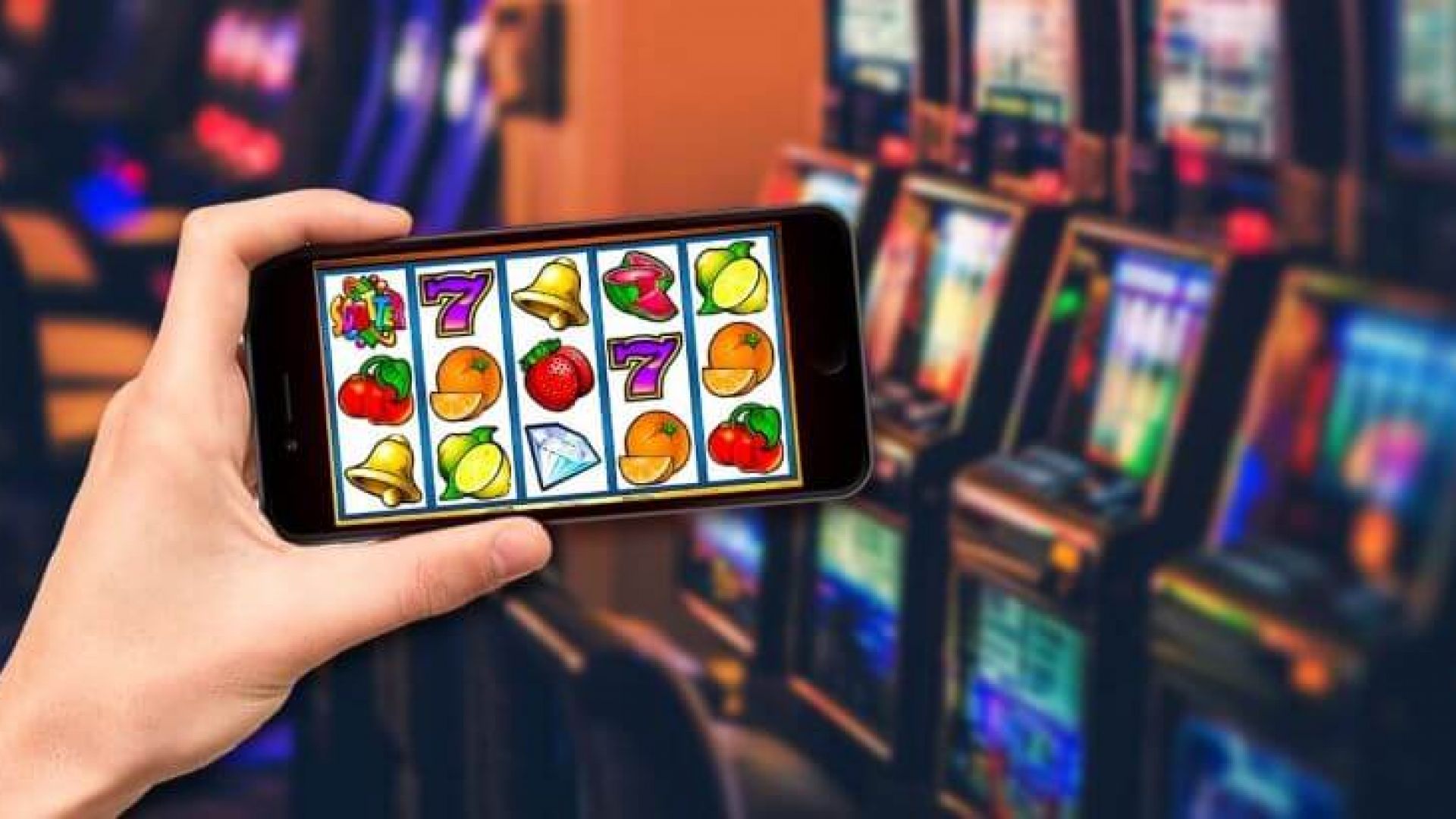
Slot games have developed considerably over the years, creating a wide range of styles for digital entertainment. Although most slot games are based on spinning reels and matching symbols, their layouts, themes, features, and gameplay mechanics can vary significantly. Understanding the different types of slot games can help readers recognize what makes each category unique.
From traditional three-reel machines to modern video slot with advanced mechanics, every type offers a different presentation. Some emphasize simplicity and nostalgia, while others focus on detailed graphics, interactive features, and imaginative themes.
Classic Three-Reel Slots
Classic three-reel slots are among the simplest types of slot games. They are inspired by traditional mechanical machines and usually feature three reels with a limited number of symbols. Common symbols include fruits, bells, bars, stars, and lucky sevens.
The main attraction of classic slots is their straightforward design. There are generally fewer paylines and special features compared with modern games. Their simple interface makes them easy to understand and gives them a distinctive retro character.
Video Slots
Video slots represent one of the most common modern categories. These games use digital graphics, animations, sound effects, and multiple reels to create more visually engaging experiences.
Unlike classic games, video slots can contain several paylines, numerous symbols, bonus features, and different winning mechanics. Their themes can range from fantasy and mythology to adventure, animals, history, and futuristic worlds.
The flexibility of digital technology allows developers to create highly diverse video slot concepts.
Progressive Jackpot Slots
Progressive jackpot slots are designed around jackpot prizes that can increase over time. A portion of qualifying wagers may contribute to a growing prize pool, depending on the specific game and its rules.
Some progressive jackpots are connected across multiple machines or platforms, potentially allowing the prize amount to grow substantially. These games attract attention because the displayed jackpot can change as participation continues.
However, progressive games involve the same considerations as other real-money gambling products, including financial risk and applicable regulations.
Megaways-Style Slots
Megaways-style games use dynamic reel mechanics that can change the number of symbols displayed during different spins. Instead of relying exclusively on a fixed number of paylines, these games can provide numerous potential symbol combinations.
The changing reel structure creates a more dynamic experience. Additional features such as cascading symbols, multipliers, and special symbols may also be incorporated.
This category demonstrates how developers have moved beyond the traditional fixed-reel format to create more flexible gameplay systems.
Branded and Themed Slots
Themed slots focus heavily on their visual identity and storytelling. Developers may build games around fictional worlds, historical settings, mythology, music, sports, or entertainment franchises.
These games often include recognizable characters, environments, soundtracks, and symbols related to their central theme. The objective is to create a more immersive atmosphere while maintaining the fundamental reel-based structure.
Themed games are especially diverse because almost any concept can serve as inspiration for a digital slot.
Mobile Slots
Mobile slots are designed specifically for smartphones and tablets or optimized to work smoothly across different screen sizes. Their interfaces typically feature large controls, simplified menus, and responsive layouts.
Mobile compatibility has become increasingly important because many users access digital entertainment through handheld devices. Developers therefore focus on performance, loading speed, and touchscreen functionality.
Mobile slots can belong to several other categories, including classic, video, progressive, and themed games.
Bonus-Focused Slots
Some link slot games place greater emphasis on bonus mechanics. These may include free-spin rounds, expanding symbols, wild features, multipliers, pick-and-win games, or interactive bonus stages.
Bonus-focused games are designed to create additional variety beyond standard reel spins. Features can be triggered by specific symbol combinations or other conditions established by the game developer.
The exact mechanics differ from one title to another, making it important for users to review the rules and feature descriptions before playing.
Free-Play Slots
Free-play slots allow users to explore slot mechanics without placing real-money wagers. They can be useful for understanding a game’s interface, learning its features, or simply enjoying the visual and interactive elements.
Free-play versions may reproduce many aspects of real-money games, although specific functionality can vary between platforms. They provide an alternative for users who are interested in digital slot entertainment without financial involvement.
Understanding Different Slot Categories
The variety of slot games demonstrates how flexible the basic reel concept has become. Classic slots emphasize simplicity, video slots offer visual variety, progressive games focus on growing jackpots, and innovative formats introduce changing reel mechanics.
Regardless of category, users should distinguish between free-play entertainment and real-money gambling. Where gambling is available, players should follow applicable laws, age restrictions, and platform rules. Responsible participation also means setting personal limits and treating gambling as entertainment rather than a guaranteed source of income.
Overall, the different types of slot games provide a broad selection of styles and experiences. Their continued development shows how traditional reel-based concepts can adapt to modern technology while retaining the familiar appeal that has defined slot games for generations.
