

Introduction
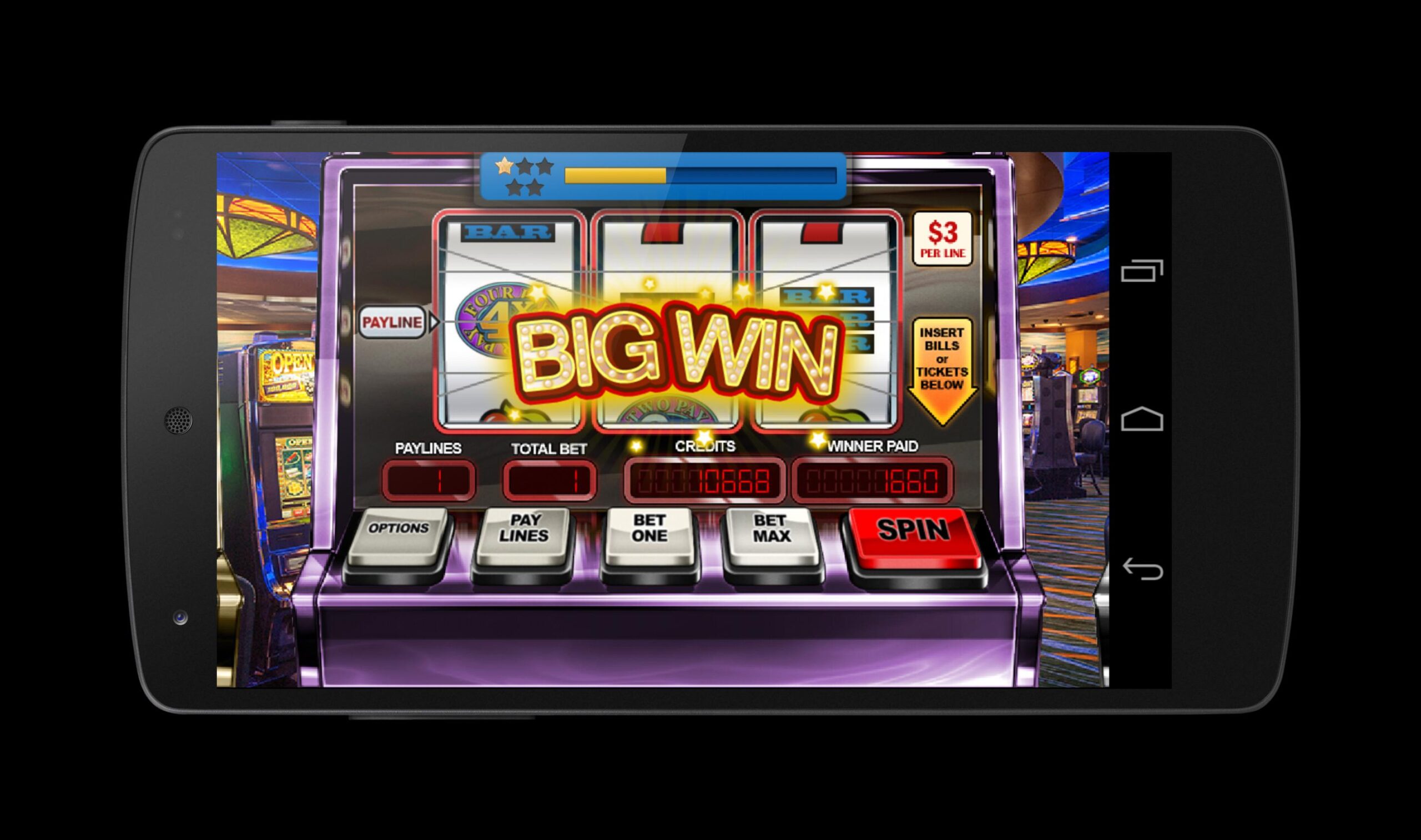
Traditional rtp slot machines were built around paylines—fixed lines that determine whether symbols align into winning combinations. But modern slot design has increasingly moved away from this structure. Grid slots and cluster pays systems replace paylines entirely, rewarding wins based on adjacent symbol groupings instead of linear patterns.
This shift has fundamentally changed how volatility is delivered, how RTP is distributed, and how players interpret winning potential. Instead of watching reels for lines, players now watch for patterns forming anywhere on a grid.
What Are Grid Slots?
Grid slots use a rectangular playing field instead of vertical reels with paylines. Common layouts include:
- 5×5 grids
- 6×6 grids
- Expanding or dynamic grids
- Irregular shaped play areas in advanced games
Instead of paylines, wins are determined by clusters of matching symbols that touch each other horizontally or vertically (and sometimes diagonally).
This removes the concept of fixed winning paths entirely.
What Are Cluster Pays?
Cluster pays systems award wins when a group of identical symbols forms a connected cluster.
A cluster typically requires:
- A minimum number of adjacent matching symbols
- Horizontal or vertical connection (sometimes diagonal)
- No requirement for a fixed line pattern
For example:
- 5 matching symbols = small win
- 8+ symbols = medium win
- 15+ symbols = large win
The larger the cluster, the higher the payout multiplier.
Why Developers Moved Away From Paylines
Paylines were effective in early slot design, but they come with limitations:
- Restrict win possibilities to fixed patterns
- Limit visual flexibility
- Constrain volatility tuning
- Reduce perceived “action” across the grid
Cluster systems solve these issues by allowing:
- Wins anywhere on the grid
- More dynamic symbol interaction
- Higher variability in outcome distribution
- More visually engaging gameplay
The Mathematics Behind Cluster Wins
Cluster systems rely on adjacency-based probability rather than line alignment.
Instead of calculating:
- Symbol alignment along fixed paylines
The system evaluates:
- Symbol density across the grid
- Probability of neighboring symbol matches
- Cluster expansion potential after each spin
This creates a more spatial form of probability distribution, where outcomes depend on grouping behavior rather than linear positioning.
Cascading Reels and Chain Reactions
Many grid and cluster games use cascading mechanics:
- A winning cluster forms
- Those symbols disappear
- New symbols fall into place
- New clusters may form
This creates chain reactions that can generate multiple wins from a single spin.
These systems significantly affect volatility by:
- Increasing win frequency in bonus chains
- Creating unpredictable payout sequences
- Allowing exponential win growth in rare cases
RTP Distribution in Cluster-Based Slots
Cluster pay games often structure RTP differently from traditional slots:
- Base game: moderate contribution to RTP
- Cascading sequences: incremental RTP accumulation
- Bonus features: concentrated RTP bursts
Because wins can chain together, RTP realization becomes more event-based rather than line-based.
Why Cluster Systems Feel More Exciting
Cluster pays create a more dynamic visual and emotional experience because:
- Wins can appear anywhere on the grid
- Multiple simultaneous clusters can form
- Chain reactions extend excitement beyond a single spin
- Large wins can grow organically during cascades
This unpredictability enhances engagement, especially in high-volatility designs.
Volatility in Grid Slots
Grid and cluster systems are often associated with medium to high volatility because:
- Large clusters are statistically rare
- Cascading sequences can amplify outcomes dramatically
- Base game wins may be smaller or less frequent
This creates a structure where:
- Small clusters occur regularly
- Large clusters are rare but impactful
- Bonus features amplify cluster formation probability
The Role of Expanding Grids
Some modern cluster games include expanding grids:
- Grid grows when wins occur
- More space increases cluster potential
- Larger grids increase volatility and win ceiling
This introduces a progression mechanic where:
- Early spins feel constrained
- Later spins feel more explosive
- Bonus phases often unlock maximum grid size
Cluster Mechanics vs Traditional Paylines
| Feature | Paylines | Cluster Pays |
|---|---|---|
| Win structure | Fixed paths | Any adjacency |
| Visual flexibility | Limited | High |
| Volatility control | Linear | Spatial |
| Bonus interaction | Line-based | Grid-based |
| Player focus | Reels alignment | Pattern formation |
This shift represents a move from linear probability to spatial probability systems.
Bonus Features in Cluster Games
Cluster-based slots often include:
- Bomb symbols that clear areas
- Multipliers attached to clusters
- Expanding wild zones
- Grid growth mechanics
- Symbol transformation features
These mechanics increase both variance and engagement by amplifying cluster potential.
Progressive Systems and Cluster Design
Cluster mechanics are often paired with progressive jackpot structures for added excitement.
A notable example of large-scale jackpot integration is Mega Moolah, which demonstrates how rare event triggers can sit alongside base game RTP models in modern slot ecosystems.
In cluster variants:
- Jackpot triggers may depend on cluster size
- Special symbols may appear within large formations
- Rare grid-wide events can unlock top-tier rewards
Why Cluster Slots Dominate Modern Design
Cluster systems have become popular because they offer:
- More dynamic gameplay
- Higher visual engagement
- Better mobile adaptability
- Flexible volatility tuning
- Stronger bonus integration
They also align well with modern expectations of interactive entertainment.
RTP Stability vs Perceived Chaos
Even though cluster systems look chaotic:
- RTP remains mathematically stable over time
- RNG still governs all outcomes
- Cluster formation is probabilistically weighted
What changes is perception:
- Wins feel more organic
- Outcomes feel less predictable
- Large events feel more emergent
Conclusion
Grid slots and cluster pays systems represent a major evolution in slot design, replacing rigid paylines with flexible, pattern-based win structures. By shifting from linear alignment to spatial grouping, developers have unlocked new ways to control volatility, enhance visual engagement, and create more dynamic RTP distribution models.
While the underlying mathematics remains governed by RNG and RTP principles, the experience is fundamentally transformed. Wins are no longer confined to lines—they emerge organically across the entire grid, often amplified by cascading chains and expanding mechanics.
Ultimately, cluster pays systems do not change the probability of winning—they change how winning feels, turning each spin into a dynamic field of potential patterns rather than a fixed path of outcomes.
