

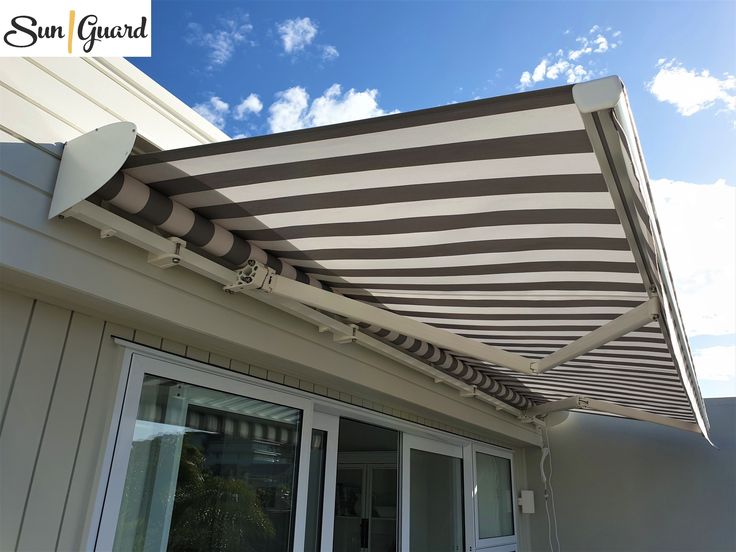
Choosing outdoor shading for your home can feel overwhelming, especially with so many styles, materials, and price points available. This retractable awning nz Buying Guide: Features, Materials, and Costs Explained will help you understand what matters most so you can invest in a solution that improves comfort, protects your outdoor space, and adds value to your home.
What Is a Retractable Awning and Why Choose One?
A retractable awning is a flexible outdoor covering that can be extended or pulled back depending on weather conditions. Unlike fixed structures, it gives you full control over shade and sunlight.
Homeowners in New Zealand often choose retractable systems because of the country’s changing weather patterns—sunny one moment, windy or rainy the next. With the Retractable Awning NZ Buying Guide: Features, Materials, and Costs Explained, you’ll learn why adaptability is one of the biggest advantages.
Key benefits include:
- Adjustable shade throughout the day
- Protection from UV rays
- Reduced indoor heat gain
- Extended outdoor living space
- Increased property appeal
Key Features to Look For
When evaluating options, understanding core features is essential. This Retractable Awning NZ Buying Guide: Features, Materials, and Costs Explained highlights the most important functional elements to consider.
1. Manual vs Motorised Operation
- Manual awnings use a crank system and are more affordable.
- Motorised awnings operate via remote control or wall switch, offering convenience and modern functionality.
Some premium systems also include smart home integration or weather sensors that automatically retract the awning during strong winds.
2. Wind and Weather Sensors
New Zealand’s coastal and unpredictable weather makes wind sensors a valuable feature. They help prevent damage by retracting the awning automatically when conditions become unsafe.
3. Adjustable Pitch and Angle
Being able to adjust the angle allows better control over sunlight and rain protection. This feature is especially useful for afternoon sun or low winter light.
4. UV Protection Rating
High-quality fabrics often provide UV protection ratings of 90% or more, helping protect both your skin and outdoor furniture.
Materials Used in Retractable Awnings
Material choice directly affects durability, appearance, and maintenance requirements. This section of the Retractable Awning NZ Buying Guide: Features, Materials, and Costs Explained breaks down the most common options.
1. Fabric Canopies
Most awnings use acrylic or polyester fabrics.
- Acrylic fabric
- Highly durable and fade-resistant
- Excellent UV protection
- Ideal for long-term outdoor use
- Polyester fabric
- More budget-friendly
- Lightweight but less durable than acrylic
- Suitable for mild weather conditions
2. Frame Materials
The frame supports the entire structure, so strength is crucial.
- Aluminium frames
- Lightweight and rust-resistant
- Most popular choice in NZ coastal regions
- Low maintenance
- Steel frames
- Stronger but heavier
- May require anti-corrosion treatment
- Typically used in commercial installations
3. Protective Coatings
Powder-coated finishes are common because they protect against rust, UV exposure, and moisture—important for New Zealand’s variable climate.
Cost of Retractable Awnings in NZ
Pricing can vary widely depending on size, materials, and features. In this Retractable Awning NZ Buying Guide: Features, Materials, and Costs Explained, we break down typical cost ranges to help you plan your budget.
Entry-Level Awnings
- Approx. NZD $800 – $2,000
- Usually manual operation
- Basic polyester fabric
- Smaller size installations
Mid-Range Options
- Approx. NZD $2,000 – $5,000
- Better fabric quality (often acrylic)
- Some motorised options available
- Stronger frame construction
High-End Systems
- Approx. NZD $5,000 – $10,000+
- Fully motorised with smart controls
- Premium UV-resistant fabrics
- Wind and sun sensors included
- Custom sizing and design options
Installation costs may be additional, typically ranging from $300 to $1,000 depending on complexity.
Installation Considerations
Proper installation is essential for safety and longevity. While some homeowners attempt DIY setups, professional installation is often recommended.
Things to consider:
- Wall strength and mounting surface
- Correct slope for water drainage
- Exposure to wind direction
- Electrical access for motorised systems
A poorly installed awning can lead to structural damage or reduced lifespan, so professional fitting is often worth the investment.
Maintenance Tips for Long-Term Use
Even though retractable awnings are relatively low maintenance, a little care goes a long way.
Basic maintenance includes:
- Cleaning fabric with mild soap and water
- Retracting during storms or high winds
- Checking bolts and joints annually
- Keeping the mechanism free of debris
Following these steps ensures your awning remains functional and visually appealing for years.
Final Thoughts
Investing in outdoor shading is one of the best ways to enhance your outdoor living experience in New Zealand. This Retractable Awning NZ Buying Guide: Features, Materials, and Costs Explained has outlined the essential features, materials, and pricing considerations to help you make an informed decision.
